Nepal is globally renowned as the ultimate destination for (mountaineering), offering a wide range of climbing experiences—from beginner-friendly trekking peaks to extreme हिमालयन expeditions. Among the most popular choices for climbers are Mera Peak Climbing and Island Peak Climbing. Both peaks provide incredible opportunities to experience high-altitude climbing, yet they differ significantly in terrain, technical difficulty, and overall experience.
This comprehensive guide will help you understand the differences, similarities, costs, preparation, and key factors involved in choosing between these two iconic climbs.
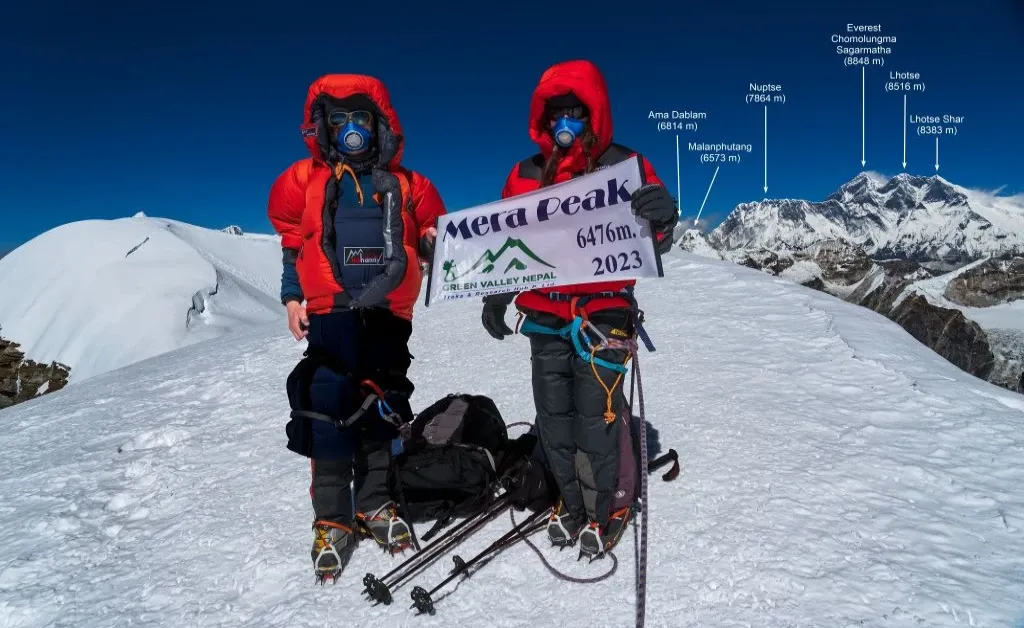
Introduction to Mera Peak Climbing
Mera Peak Climbing takes you to an elevation of 6,476 meters, making it the highest trekking peak in Nepal. Located in the remote Hinku Valley, this climb is ideal for those seeking a quieter and more serene adventure away from crowded trekking routes.
Key Features of Mera Peak
-
ارتفاع: 6,476 meters
-
Location: Solu-Khumbu region (Hinku Valley)
-
Difficulty: Moderate (non-technical)
-
Duration: 16–20 days
One of the biggest attractions of Mera Peak is its summit view. From the top, climbers can witness five of the world’s highest mountains—Everest, Lhotse, Makalu, Cho Oyu, and Kangchenjunga—making it one of the most rewarding viewpoints in Nepal.
Introduction to Island Peak Climbing
Island Peak Climbing, also known as Imja Tse, stands at 6,189 meters and lies in the Everest region. It is often combined with the Everest Base Camp trek, making it a popular choice for those wanting both trekking and technical climbing experience.
Key Features of Island Peak
-
6,189 meters
-
Location: Everest (Khumbu) region
-
Difficulty: Moderately technical
-
Duration: 14–18 days
Island Peak is famous for its dramatic scenery, surrounded by towering हिमालयन giants such as Lhotse and Ama Dablam. The climb involves glacier travel, fixed ropes, and a steep summit push.
Mera Peak Climbing vs Island Peak Climbing
Choosing between Mera Peak Climbing and Island Peak Climbing depends on your experience, fitness, and adventure goals. Below is a detailed comparison:
1. Altitude and Physical Challenge
-
Mera Peak Climbing: Higher altitude (6,476m), which increases the risk of altitude sickness
-
Island Peak Climbing: Slightly lower (6,189m), but physically demanding due to technical sections
While Mera Peak is higher, Island Peak can feel more challenging due to its climbing requirements.
2. Technical Difficulty
-
Mera Peak: गैर-तकनीकी (Non-technical), suitable for beginners
-
Island Peak: Requires basic mountaineering skills such as rope handling and crampon use
If you are new to climbing, Mera Peak is generally considered more accessible.
3. Trekking Experience
-
Mera Peak: Remote, शांत, and less crowded
-
Island Peak: Popular, busy, and part of the Everest Base Camp route
Mera Peak offers solitude and raw nature, while Island Peak provides a lively trekking atmosphere.
4. Scenery and Views
-
Mera Peak: Wide panoramic views of multiple 8,000-meter peaks
-
Island Peak: Dramatic close-up views of iconic mountains
Both climbs are visually stunning, but the perspective differs.
5. Duration and Itinerary
-
Mera Peak Climbing: 16–20 days
-
Island Peak Climbing: 14–18 days
The duration varies slightly depending on acclimatization schedules.
Best Time for Climbing
The ideal seasons for both Mera Peak Climbing and Island Peak Climbing are:
Spring (March to May)
-
Stable weather
-
Blooming landscapes
-
Clear mountain views
Autumn (September to November)
-
Crisp air and excellent visibility
-
Most popular climbing season
Avoid monsoon (June–August) due to heavy rainfall and winter (December–February) due to extreme cold.
Cost and Permits
The cost of climbing depends on the trekking company, services, and group size.
Mera Peak Climbing Cost
-
$2,000 to $3,500 USD
Island Peak Climbing Cost
-
$2,200 to $4,000 USD
What’s Included?
-
Climbing permits
-
Licensed guides and porters
-
Accommodation and meals
-
Transportation
-
Group climbing equipment
Island Peak may cost slightly more due to its technical requirements.
Physical Preparation and Training
Both climbs require proper physical preparation. Recommended training includes:
-
Cardio workouts (running, hiking, cycling)
-
Strength training (legs and core)
-
Practice hikes with a backpack
-
Basic mountaineering training (essential for Island Peak)
Acclimatization days are built into itineraries to help your body adjust to high altitude.
Risks and Safety Considerations
Climbing in the Himalayas involves certain risks:
-
Altitude sickness (AMS)
-
Extreme weather conditions
-
Glacier travel hazards
To minimize risks:
-
Choose a reputable trekking company
-
Follow acclimatization schedules
-
Stay hydrated and maintain a steady pace
-
Listen to your guide’s instructions
Who Should Choose Mera Peak?
Choose Mera Peak Climbing if you:
-
Are a beginner in mountaineering
-
Prefer a non-technical climb
-
Want a peaceful and less crowded route
-
Aim to reach a higher altitude peak
Who Should Choose Island Peak?
Choose Island Peak Climbing if you:
-
Have basic climbing experience
-
Want to learn technical mountaineering skills
-
Plan to visit Everest Base Camp
-
Seek a more challenging adventure
Conclusion
Both Mera Peak Climbing and Island Peak Climbing offer exceptional opportunities to explore the grandeur of the Himalayas. While Mera Peak is ideal for beginners seeking a high-altitude, non-technical experience with panoramic views, Island Peak is better suited for those looking to challenge themselves with a more technical climb in the iconic Everest region.
Ultimately, your choice should depend on your fitness level, climbing experience, and personal adventure goals. Regardless of which peak you select, both journeys promise breathtaking scenery, personal achievement, and unforgettable memories.